
Understanding Nutrition Signals and Body Weight Regulation

Exploring the science behind hunger, satiety, and metabolic processes

Fresh natural meal composition
Educational content only. No medical services. No promises of outcomes.

Hunger and Satiety Signals: An Overview

Your body communicates its nutritional needs through complex biological mechanisms. These signals—hunger and satiety—are governed by hormones, neural pathways, and metabolic states. Understanding how these systems work provides insight into the fundamental processes that regulate food intake and energy balance.

Research in nutrition science has revealed that hunger is not a simple stimulus but a multifaceted response to internal and external conditions. Similarly, satiety signals indicate when the body has received sufficient nutrients. These mechanisms evolved over millions of years to maintain homeostasis and support survival.

The study of these signals contributes to general knowledge about human physiology and helps explain why individuals respond differently to similar dietary patterns. Recognition of these individual differences is essential for anyone seeking factual information about nutrition and body weight.
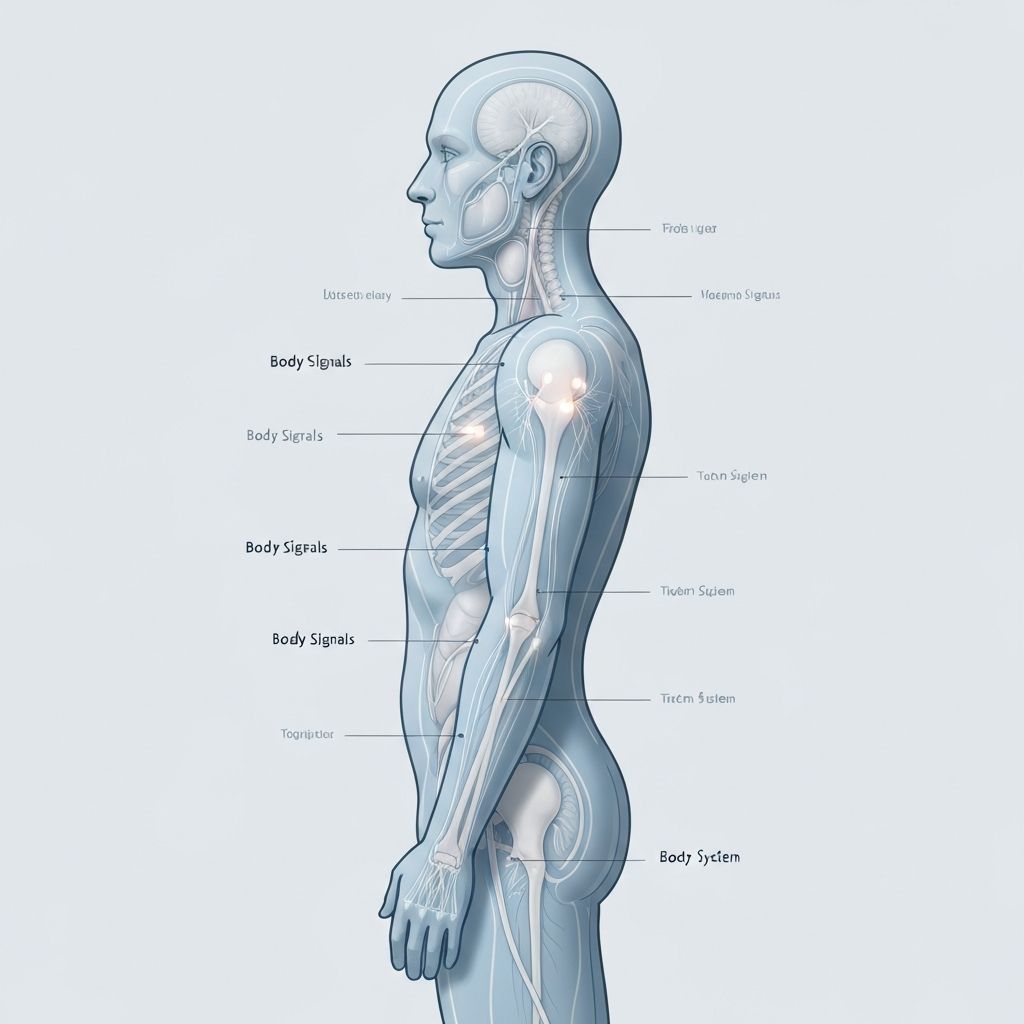

Hunger and satiety signaling system

Common Myths About Intuitive Eating

Various claims circulate about the relationship between body awareness and food intake. This section clarifies what science actually demonstrates:

Myth vs. Fact

Claim: "Always eat when hungry, never when full"

Reality: Hunger signals are complex and influenced by stress, sleep, activity, and environmental cues—not simply physical need. Some individuals experience delayed satiety signals, while others feel satiety quickly. Individual variation is significant.

Claim: "Your body always knows what it needs"

Reality: While the body produces nutritional signals, these signals can be influenced by habit, emotion, marketing, and learned preferences. Food cravings do not always indicate nutritional deficiency.

How Hormones Guide Food Intake

Hormonal pathways in appetite regulation

Hormones act as chemical messengers that regulate appetite and energy metabolism. Key hormones in this process include ghrelin (often called the "hunger hormone") and leptin (associated with satiety). These hormones fluctuate throughout the day in response to food intake, energy status, and other physiological factors.

Ghrelin increases before meals and signals the need for food. Levels rise when the stomach is empty and decrease after eating. However, ghrelin levels are also influenced by sleep quality, stress levels, and meal composition.

Leptin is produced by fat tissue and signals the body's energy stores to the brain. Higher leptin levels typically correspond with greater energy reserves. Yet leptin sensitivity varies among individuals and can be affected by chronic calorie restriction, inflammation, and sleep deprivation.

Other hormones including insulin, peptide YY, and glucagon-like peptide 1 (GLP-1) also contribute to appetite regulation. This hormonal interplay creates a sophisticated system for managing energy intake and expenditure.

Impact of Lifestyle Factors on Appetite Regulation

Multiple lifestyle factors influence how hunger and satiety signals function. These include sleep duration, physical activity, stress levels, and circadian rhythms. Understanding these relationships provides a more complete picture of appetite regulation.

Sleep Quality: Research consistently shows that insufficient or poor-quality sleep disrupts hormonal regulation of appetite. Sleep deprivation tends to increase ghrelin and decrease leptin sensitivity, potentially leading to increased food intake and preference for calorie-dense foods.

Physical Activity: Exercise influences appetite through multiple pathways. Acute exercise can temporarily suppress hunger, while regular physical activity affects long-term metabolic regulation and hormonal balance.

Stress and Emotions: The brain's stress response system influences appetite through pathways independent of true nutritional need. Chronic stress can alter normal hunger and satiety patterns, contributing to changes in food intake.

Meal Composition: The macronutrient content of meals affects satiety signals differently. Protein intake is generally associated with stronger satiety signals compared to other macronutrients, though individual responses vary.

Lifestyle factors affecting appetite

Explore Our Research Topics

Hunger Signals: What Science Says

A factual overview of the physiological mechanisms that signal the body's need for food. Learn about ghrelin, appetite centers in the brain, and factors that influence hunger perception.

View the article →

Satiety Hormones Explained

An examination of leptin, peptide YY, GLP-1, and other hormones that communicate fullness to the brain. Understand how these systems work and what influences their sensitivity.

Continue to facts →

Daily Influences on Body Weight Cues

Research on how daily activities—sleep, exercise, stress, meal timing—interact with biological signaling systems. Practical understanding of lifestyle's role in appetite regulation.

Discover more science →

Frequently Asked Questions

What is the difference between hunger and appetite? +

Hunger is a physiological signal indicating the body's need for energy and nutrients. It is driven by hormones like ghrelin and influenced by blood glucose levels and stomach distension. Appetite, by contrast, is the desire to eat and involves psychological, sensory, and learned components. You can experience appetite without physical hunger, such as when encountering appealing food or eating in social settings.

Why do some people feel hungry more often than others? +

Individual variation in hunger perception stems from multiple sources: genetic differences in hormone sensitivity, body composition, lifestyle factors, sleep quality, stress levels, and dietary patterns. Some individuals have naturally higher ghrelin levels or greater ghrelin sensitivity. Others are more responsive to leptin. Meal composition, meal timing, and habitual eating patterns also influence hunger frequency.

Can stress really change how hungry I feel? +

Yes. The stress response system activates neural and hormonal pathways that can either increase or decrease appetite. Acute stress typically suppresses appetite through sympathetic nervous system activation. Chronic stress, however, often increases appetite and craving for calorie-dense foods through multiple mechanisms including changes in cortisol levels, alterations in reward processing, and effects on leptin sensitivity.

Does sleep duration really affect appetite? +

Extensive research confirms that sleep duration and quality significantly influence appetite regulation. Short sleep duration (less than 7 hours nightly) is associated with increased ghrelin levels and decreased leptin sensitivity. Poor sleep quality also impairs the brain's regulation of food intake and reward processing, often leading to increased food consumption and preference for energy-dense foods.

How does physical activity influence hunger signals? +

Acute exercise can temporarily suppress appetite through multiple mechanisms including increased circulating hormones like peptide YY and GLP-1, decreased ghrelin levels, and alterations in brain reward regions. Regular physical activity influences long-term appetite regulation through effects on body composition, insulin sensitivity, and baseline hormone levels. Individual responses to exercise vary significantly.

Deepen Your Understanding

Explore our comprehensive blog articles for detailed, evidence-based information on nutrition signals, body weight regulation, and the science of appetite. Our content is designed for educational purposes only.

Read All Articles